Accessories ــــ
Hydraulic systems consist of various components used to transmit power and motion through pressurized fluid (usually oil). Hydraulic accessories play a vital role in the proper functioning of these systems. Below are some of the most important hydraulic accessories and their descriptions:
Hydraulic Pump
- Function: Converts mechanical energy into hydraulic energy by creating a flow of pressurized fluid.
- Types:
- Gear Pump
- Piston Pump
- Vane Pump
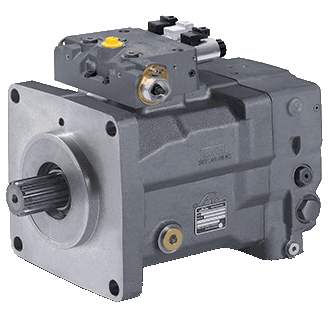
Hydraulic Motor
- Function: Converts hydraulic energy into rotational motion.
- Types: Gear motor, piston motor, vane motor.
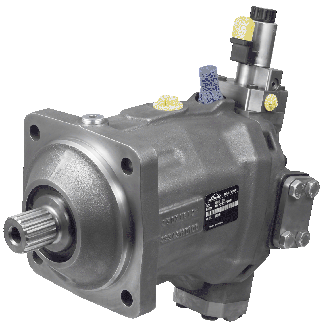
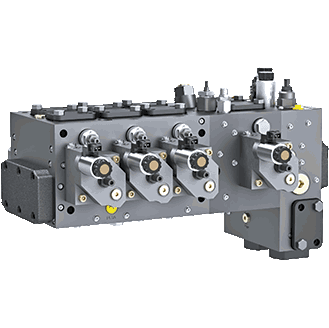
Control Valves
- Function: Controls the direction, pressure, and flow rate of the fluid.
- Main Types:
- Directional Control Valve: Determines the flow path.
- Pressure Relief Valve: Limits system pressure.
- Flow Control Valve: Regulates the speed of cylinders or motors.
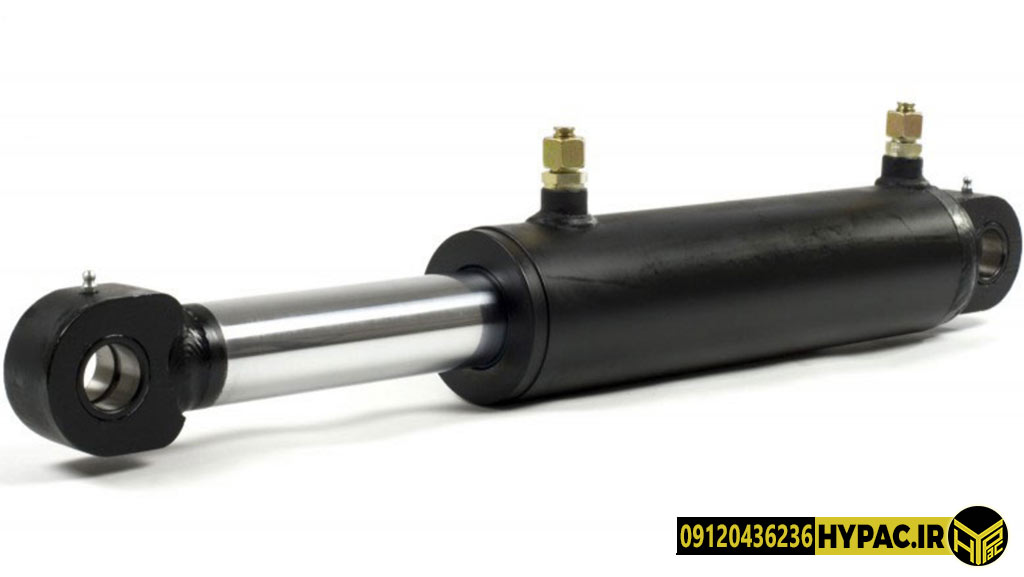
Hydraulic Cylinder
- Function: Converts hydraulic energy into linear motion (push or pull).
- Applications: Cranes, excavators, industrial presses.
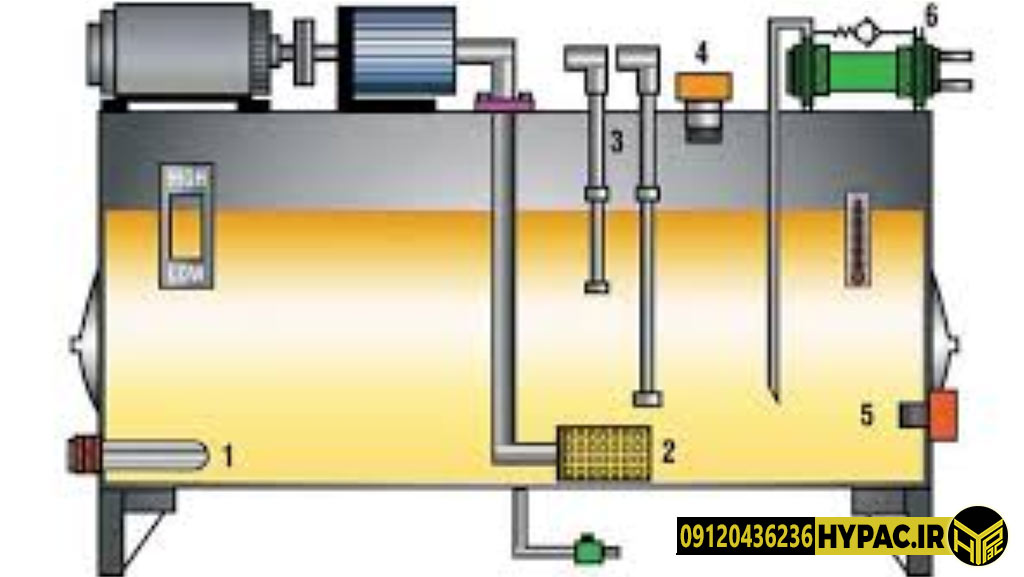
Hydraulic Reservoir
- Function: Stores hydraulic fluid, cools the oil, and separates air and contaminants.
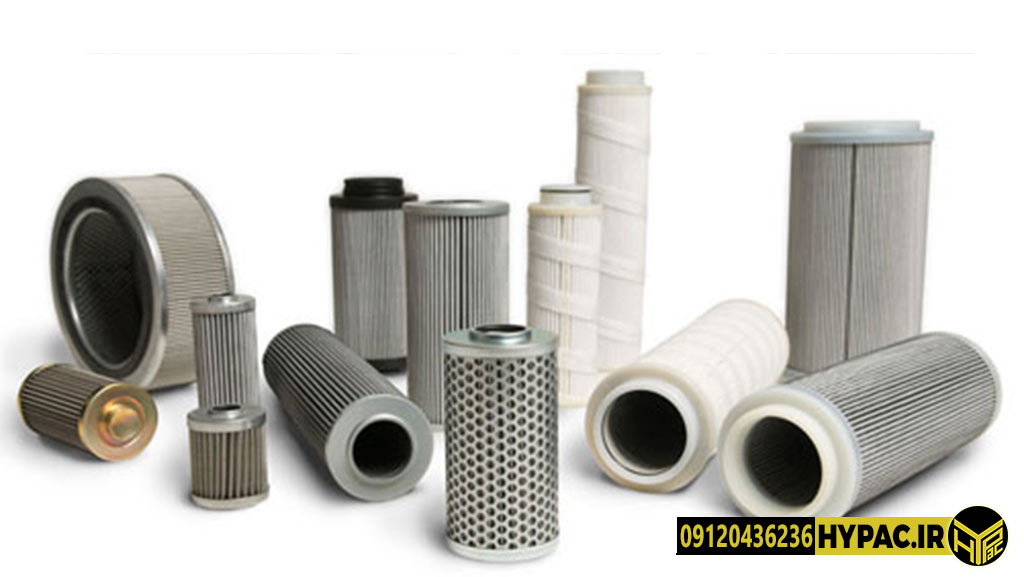
Filters
- Function: Removes contaminants from the oil to prevent damage to components.
- Installation: On the pump inlet or return line.
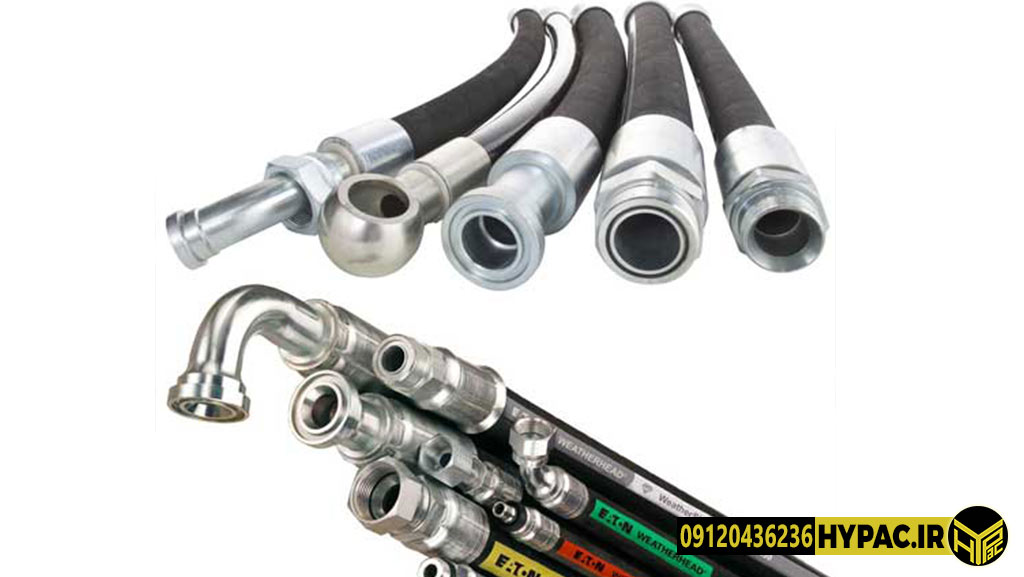
Pipes and Hoses
- Function: Transfers fluid between components.
- Material: Stainless steel, high-pressure plastic, or reinforced rubber.
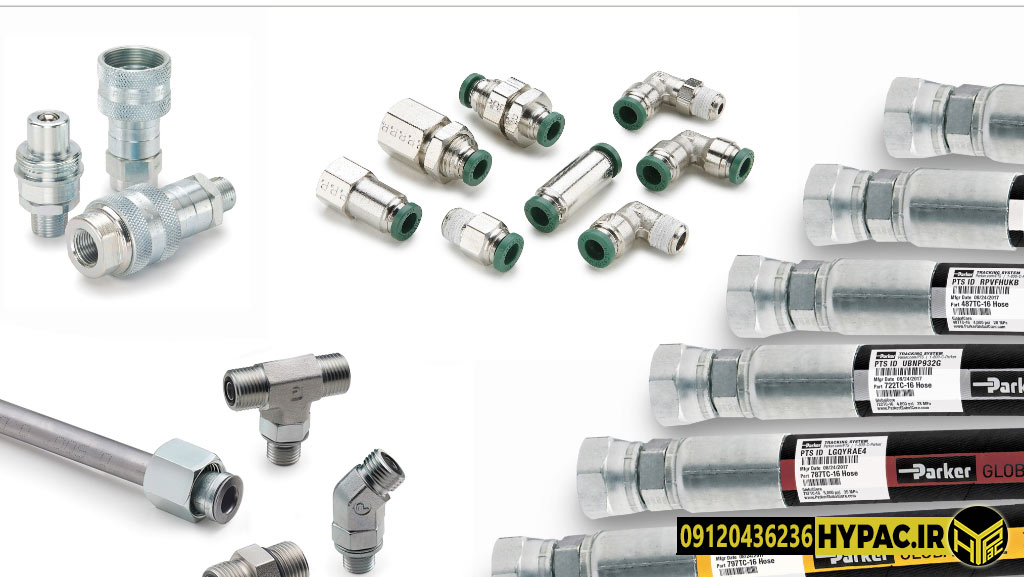
Fittings
- Function: Provides secure connections for pipes, hoses, and other components.
- Types: Quick couplings, threaded fittings, flanges.
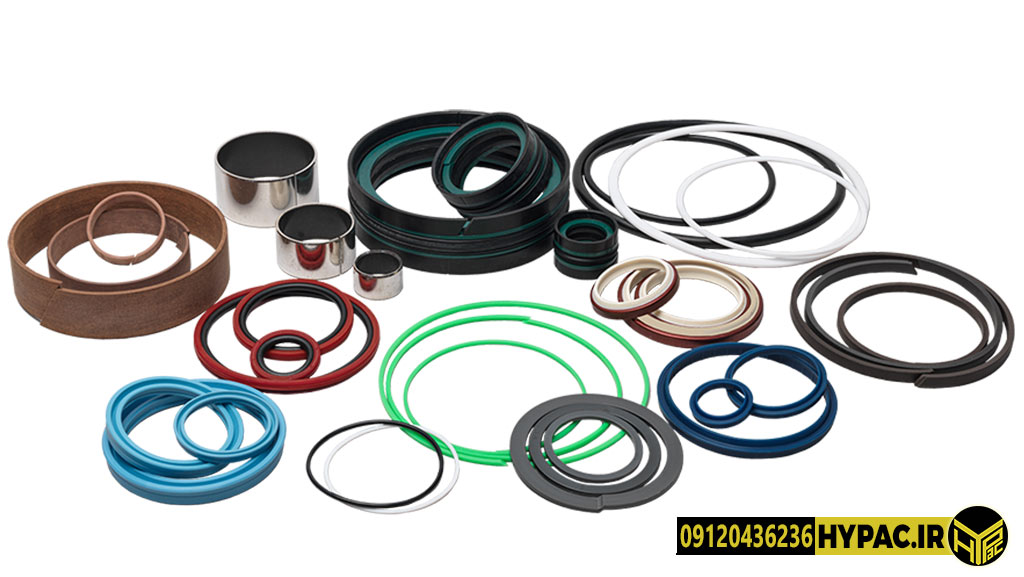
Seals
- Function: Prevents oil leakage and maintains system pressure.
- Types: O-ring, gasket, wiper seal.
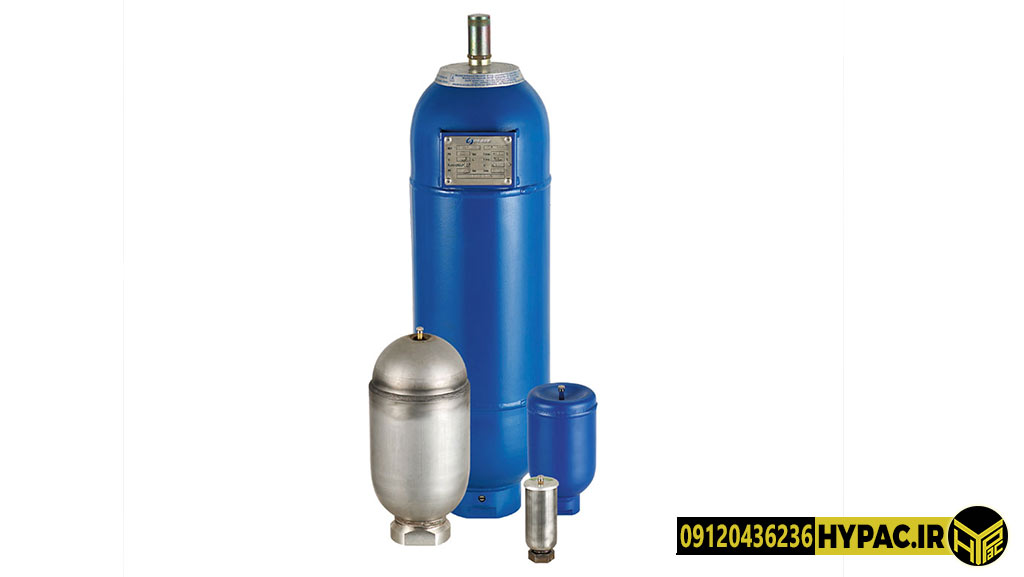
Accumulator
- Function: Stores hydraulic energy and reduces pressure fluctuations.
- Applications: Shock absorption, emergency pressure supply.
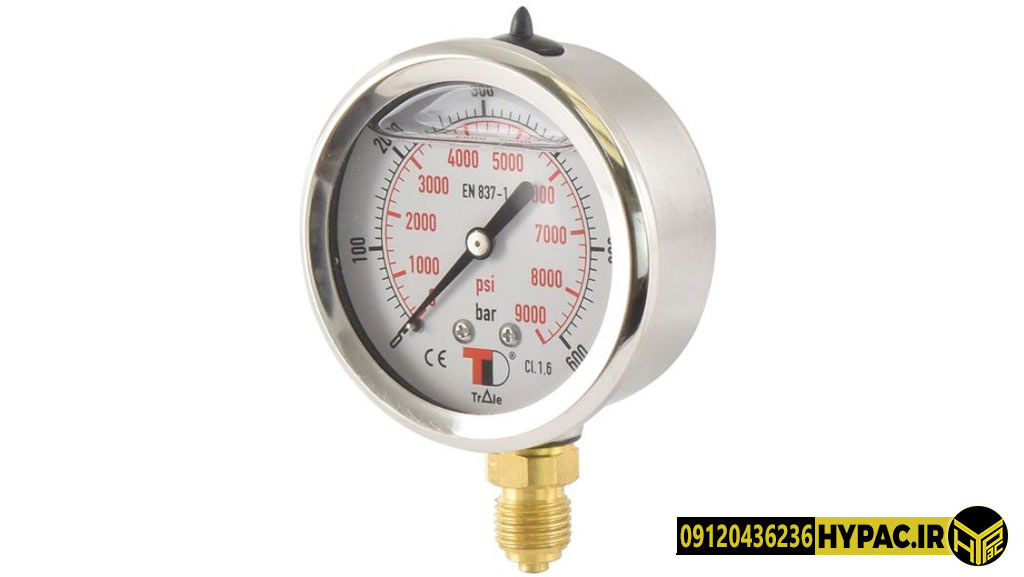
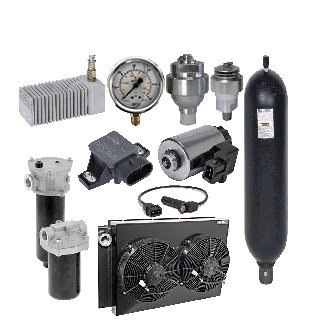
Pressure Gauges and Sensors
- Function: Displays pressure, temperature, and other system parameters.
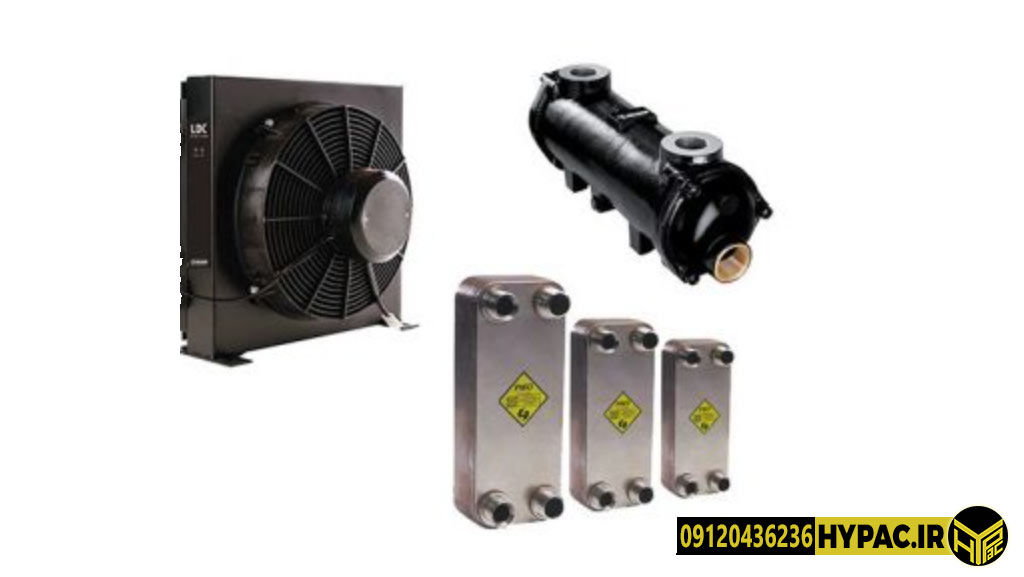
Coolers and Heaters
- Function: Regulates fluid temperature to prevent overheating or freezing.
Key Maintenance Tips
- Use hydraulic oil with the appropriate grade.
- Replace filters and seals on time.
- Regularly inspect hoses and fittings to prevent leaks.
- Prevent fluid contamination (Contamination Control).
Common Applications of Hydraulic Systems
- Industrial machinery (presses, plastic injection machines).
- Construction equipment (excavators, loaders).
- Aircraft and hydraulic steering systems.
By selecting high-quality components and performing regular maintenance, the lifespan of hydraulic systems can be significantly extended.
Hydraulic Pump
Hydraulic Pump is a core component of hydraulic systems, responsible for converting mechanical energy into hydraulic energy. By generating flow and pressure in hydraulic fluid (typically oil), it provides the force needed to operate cylinders, hydraulic motors, and other system components. Types of Hydraulic Pumps Hydraulic pumps are broadly classified into three main categories: Applications […]
Hydraulic Valve
Hydraulic Valves are control components in hydraulic systems responsible for regulating the flow, pressure, and direction of hydraulic fluid. These valves are used to manage system performance, safety, and energy efficiency. Below, we will introduce the types, functions, and applications of hydraulic valves: Types of Hydraulic Valves Hydraulic valves are categorized into three main types […]
Hydraulic Motor
Hydraulic Motor (also known as a Hydromotor) is a mechanical device that converts hydraulic energy (energy from pressurized fluid) into rotational mechanical energy. It operates inversely to a hydraulic pump (which converts mechanical energy into hydraulic energy). Hydraulic motors are used in hydraulic systems to power rotational motion in industrial machinery, heavy equipment, robotics, and […]








افزودن دیدگاه